Rouberto Pereira
Jan 29th, 2025
The Role of Stress in Mental Wellbeing and How to Manage It Effectively

Rouberto Pereira
Apr 14th, 2026
Stress is something we all experience, yet it often feels like something we should eliminate entirely. In reality, stress isn’t always the problem — it’s how it shows up, how long it lasts, and how we respond to it that makes the difference.
During Stress Awareness Month, there’s an opportunity to pause and reflect on our relationship with stress. Rather than seeing it as something purely negative, we can begin to understand its purpose, recognise when it becomes unhelpful, and explore ways to manage it more effectively.
Stress is a natural response designed to keep us alert and prepared. In short bursts, it can help us meet deadlines, stay focused, and respond to challenges. You might notice this before an important meeting or when working toward a goal — a sense of urgency that helps you take action.
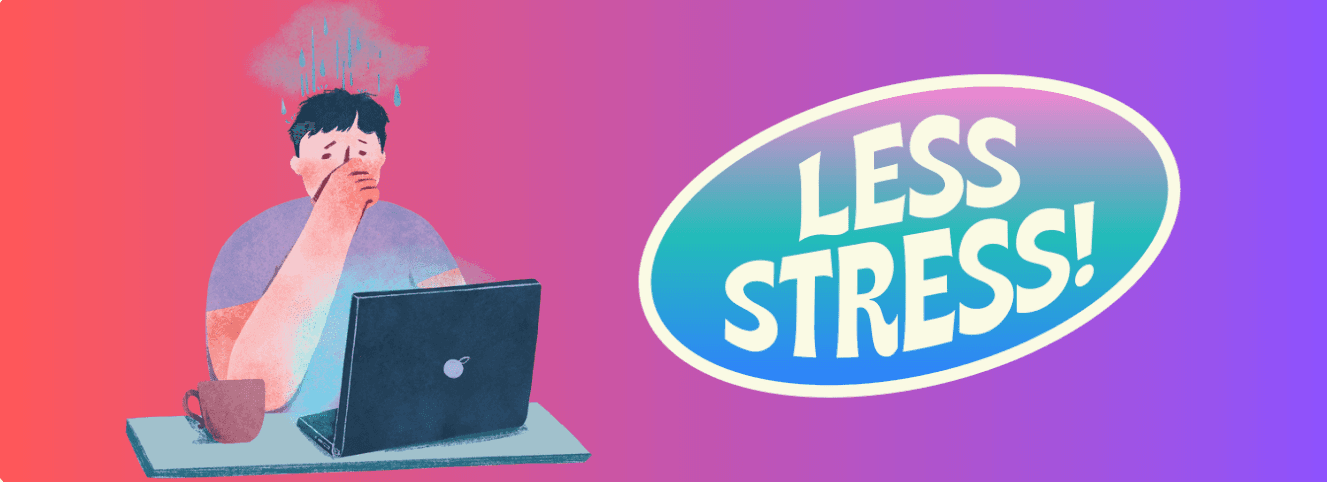
However, when stress becomes constant or overwhelming, it can begin to impact both mental and physical wellbeing. Ongoing stress can affect sleep, concentration, mood, and energy levels, making everyday tasks feel more difficult than they need to be.
One of the most important steps in managing stress is recognising where it comes from. For many people, stress is not caused by just one thing, but a combination of external pressures and internal expectations. Work demands, financial concerns, and life changes can all contribute, while thoughts such as perfectionism, self-doubt, or feeling responsible for everything can intensify that pressure.
Understanding your personal stress triggers can help you respond more intentionally. Instead of reacting automatically, you begin to notice patterns — what drains your energy, what builds tension, and what helps you feel more balanced.
It can also be helpful to recognise that stress exists on a spectrum. Sometimes it can feel motivating and purposeful, while at other times it may feel heavy and difficult to manage. Developing awareness of this difference allows you to step in earlier, before stress becomes overwhelming.
Managing stress doesn’t require a complete lifestyle overhaul. Often, small and consistent changes have the greatest impact. Creating space in your day to pause, reset, and reflect can help reduce the intensity of stress before it builds up.
This might look like taking short breaks between tasks, setting clearer boundaries around your time, or allowing yourself moments of rest without guilt. Movement, even in simple forms like walking or stretching, can help release physical tension. Similarly, slowing down your breathing or taking a few minutes to step away from screens can support your nervous system in returning to a calmer state.
Connection also plays a powerful role. Talking about stress — whether with a friend, colleague, or professional — can help reduce its weight. Often, sharing what you’re experiencing provides perspective and reminds you that you don’t have to manage everything alone.
At the same time, resilience isn’t about pushing through or ignoring stress. It’s about building the ability to adapt and recover. This includes recognising when you need to step back, when to ask for support, and when to adjust your expectations.
In a world that often values productivity and constant activity, it can be easy to overlook the importance of rest. However, recovery is not separate from performance bur rather, it supports it. Giving yourself permission to pause is one of the most effective ways to maintain long-term wellbeing.
Stress will always be part of life, but it doesn’t have to take over. By understanding how it works and responding with awareness and care, it’s possible to create a healthier balance — one where stress becomes something you can manage, rather than something that manages you.