
Understanding and Managing Social Anxiety
Living with Social Anxiety: Practical Advice for Everyday Life
Keeva Galway
Aug 5th, 2024
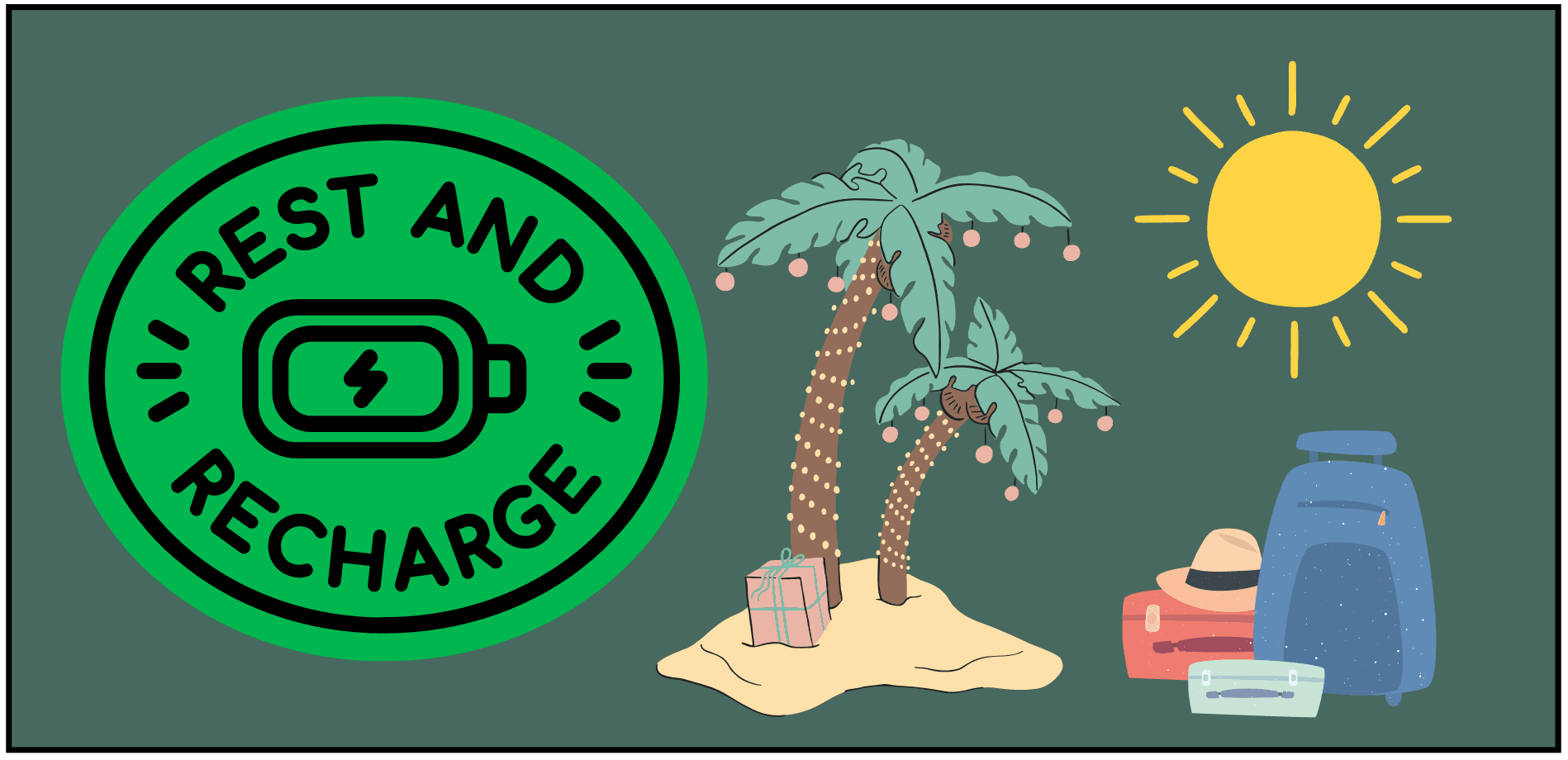
Why Taking Time to Recharge Supports Your Mental Wellbeing

Rouberto Pereira
Jul 15th, 2026
As summer arrives, many of us begin thinking about annual leave, holidays, and spending more time outdoors. Yet for others, this season can feel just as busy as the rest of the year. Whether you're taking time off, covering for colleagues, or simply carrying on with your usual routine, July is a timely reminder that rest isn't a luxury, but rather an essential part of maintaining good mental health.
In today's world, being busy is often worn as a badge of honour. We celebrate productivity, long to-do lists, and constantly being available. While working hard can be rewarding, there is a difference between being engaged and being constantly switched on. Without opportunities to rest and recover, even the most resilient people can begin to feel emotionally and physically drained.
Rest is often misunderstood as "doing nothing," but true rest is about allowing our minds and bodies to recover. Just as muscles need recovery after exercise, our brains need regular opportunities to slow down after periods of concentration, decision-making, and stress.
When we don't make time for rest, the effects often appear gradually. We may notice increased irritability, difficulty concentrating, disrupted sleep, lower motivation, or feeling emotionally exhausted. These aren't signs of weakness, and we should see them as signals that our minds and bodies need time to recharge.
Taking a break doesn't have to mean booking a holiday or taking several weeks off work. Meaningful rest can be found in small moments throughout the day. Going for a walk during lunch, spending time in nature, reading a book, switching off notifications, or enjoying an uninterrupted cup of tea all give the brain a chance to reset.
It's also important to recognise that different people recharge in different ways. Some people feel restored through social connection, while others need solitude and quiet. Some benefit from physical activity, while others prefer creative hobbies or mindfulness. Understanding what genuinely helps you feel refreshed is an important part of self-care.
For those taking annual leave, it can be tempting to fill every day with activities and plans. While making memories is important, try to leave room for genuine downtime too. Returning from leave feeling exhausted is more common than many people realise.
For those who aren't taking time off this summer, finding opportunities for micro-breaks becomes even more important. Small pauses throughout the day can reduce mental fatigue, improve focus, and help prevent stress from building over time.
One helpful question to ask yourself is: "What does rest look like for me?" The answer may be very different from someone else's — and that's okay. The goal isn't to rest in a particular way, but to create moments that genuinely restore your energy.
Ultimately, rest is not the opposite of productivity, it supports it. When we allow ourselves time to recover, we're better equipped to think clearly, solve problems, support others, and enjoy the things that matter most.
This summer, give yourself permission to slow down. Rest isn't something we have to earn after we've exhausted ourselves. It's something we all deserve, and one of the most valuable investments we can make in our long-term wellbeing.
Living with Social Anxiety: Practical Advice for Everyday Life
Keeva Galway
Aug 5th, 2024

Exploring different types of movement for wellbeing: indoors, outdoors, solo, or social.
Mollie Drew
Aug 19th, 2025

This January, Let’s Prioritize Our Mental Well-being
Keeva Galway
Jan 6th, 2025